Agriculture and Livestock for the Future
Agriculture and Livestock for the Future
Project Co-Financed by: CEI (Italian Episcopal Conference) with 8x1000 funds for the Catholic Church
In partnership with: Diocese of Moroto
Duration: November 30, 2022 - November 30, 2025
Context
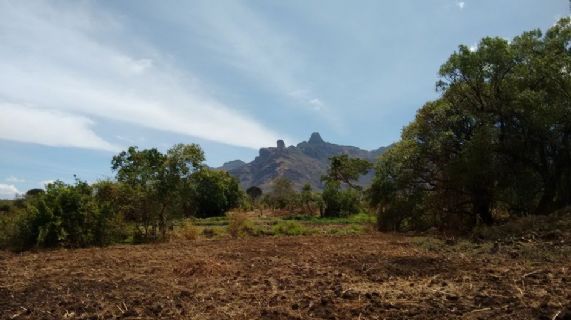
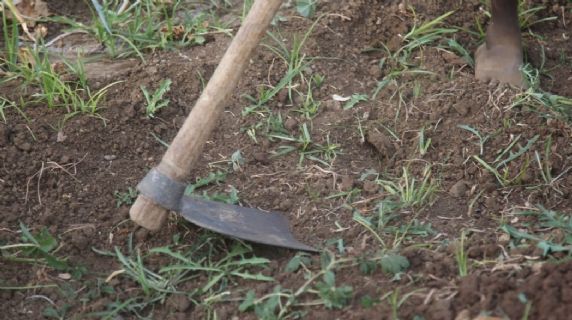
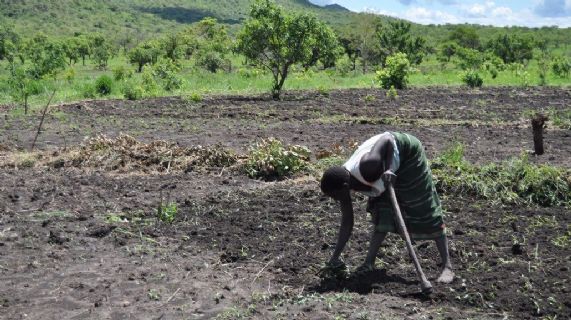
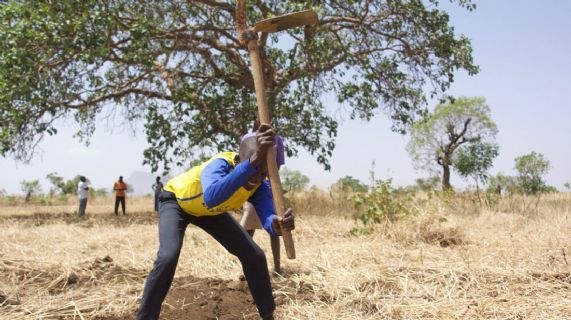
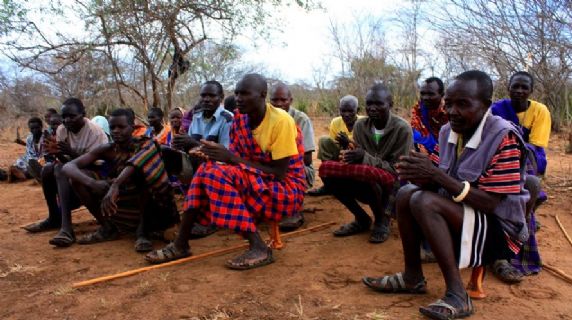
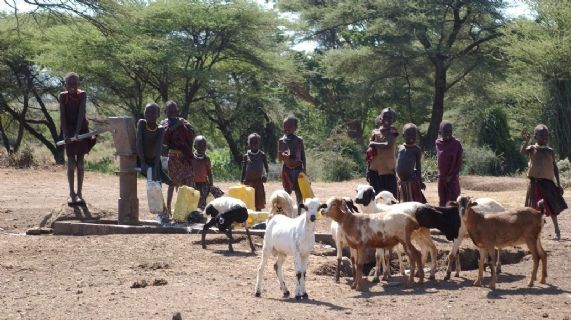
In Karamoja, a semi-arid region characterized by significant variability in rainfall distribution, agro-pastoralism is the primary means of sustenance. This system relies mainly on livestock farming, with limited agricultural activity tied almost exclusively to the rainy season. There is enormous potential within Uganda’s young population, land, and local markets to make agriculture profitable.
Project Aim
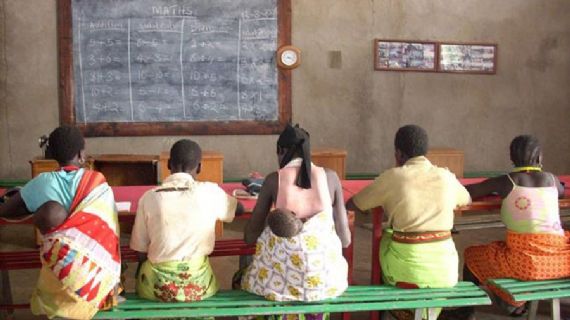
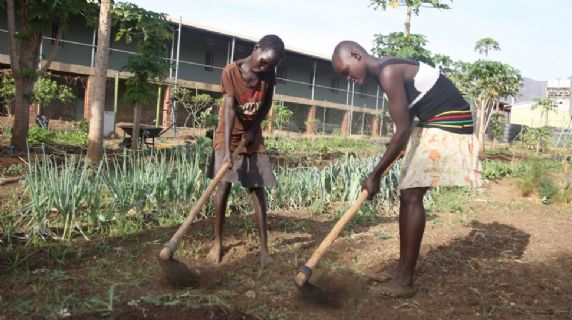
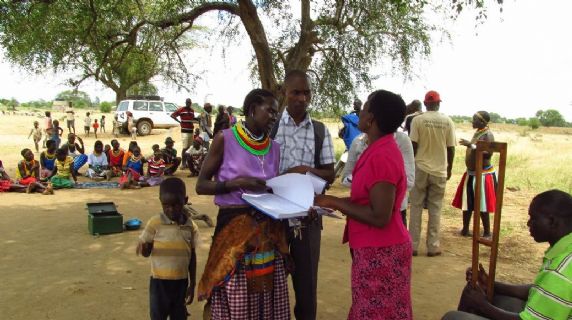
This project seeks to unlock that potential and change perceptions of the agricultural and livestock sectors. Activities will focus on market-oriented vocational training through "learning centers," which will equip youth with the skills needed to engage in agribusiness and access markets, while also being environmentally sustainable and responsive to climate change effects. Additionally, these learning centers will receive support in terms of equipment and staff training to help small and medium farmers adopt sustainable agricultural practices, improving their income and food security.
General Objective
To contribute to improving food security for rural families in the Karamoja region by providing support and training in the agro-food sector.
Specific Objective
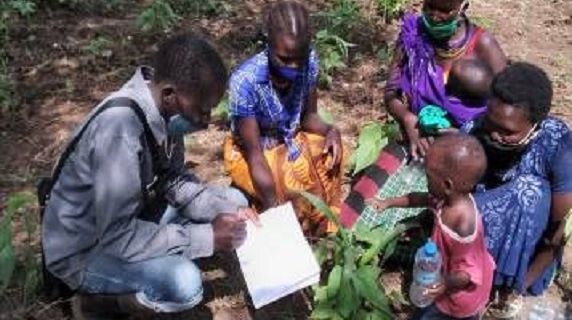
To diversify and improve agricultural and livestock production (controlled and sustainable) by enhancing the skills of 225 youth, 50 farmer and livestock groups, and 50 Community Animal Health Workers (CAHW) through technical training and practical experimentation, while respecting and protecting the environment.
Expected Results
- Increased agricultural and livestock production, along with improved agricultural and livestock practices among selected communities.
- Enhanced engagement and participation of youth in agricultural and livestock markets through quality training.
- Greater access to food, water, and agricultural tools, including "safety nets" (assistance) for particularly vulnerable families.
- Increased resilience in the face of shocks through integrated natural resource management, including sustainable soil and water resource practices.
Read the activity report here.

-37.jpg)

-e-in-nord-Pokot-(Kenia)-dpv-33.jpg)
-155.jpg)