Veterinary Project Karamoja
Veterinary Project Karamoja
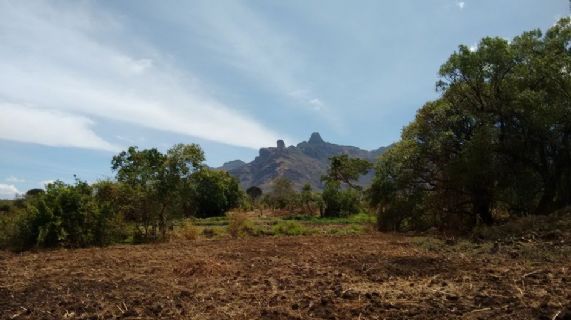
Location: Karamoja Region, Northeastern Uganda
Duration: Biennial 2005, renewed in 2012; renewed 2013-2017. Currently ongoing.
Project Objective
To improve animal health and livestock productivity in the Karamoja region through diagnostic services, vaccinations, training, and technical assistance to farmers.
Main Activities
-
Diagnostic Activities
- Performing serological, parasitological, and bacteriological tests for major diseases.
- Prognosis and treatment of bovine and small ruminant infections.
- Consulting and technical assistance services to farmers and veterinary authorities.
-
Training and Awareness
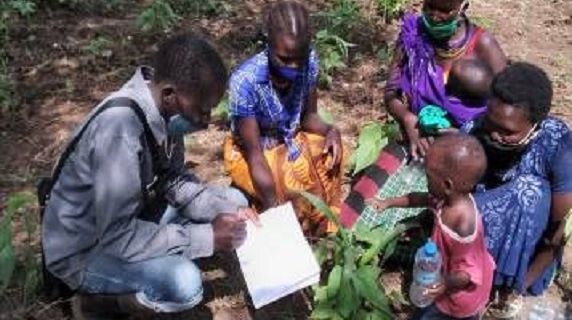
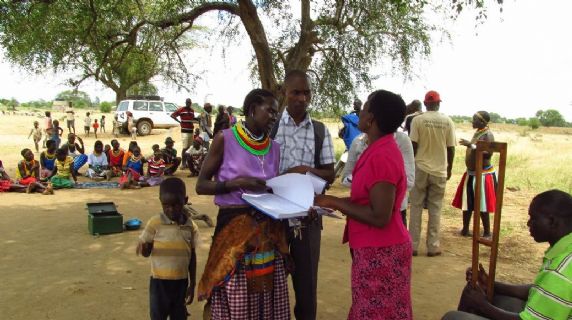
- Training village animal health workers (Community Animal Health Workers).
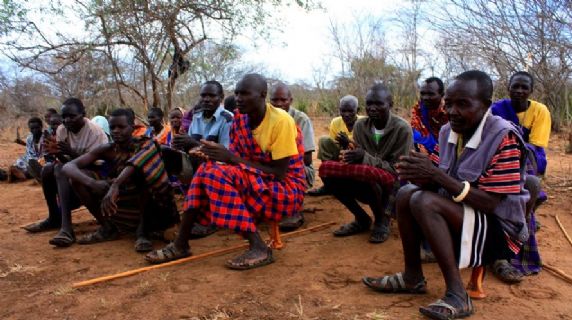
- Health education and awareness activities directed at the population and veterinary authorities.
-
Support and Provision of Services
- Providing medicines, vaccines, and veterinary kits to farmers.
- Supporting veterinary offices in the Karamoja Districts and the FAO.
- Veterinary services and consulting for communities.
-
Water Sector Activities
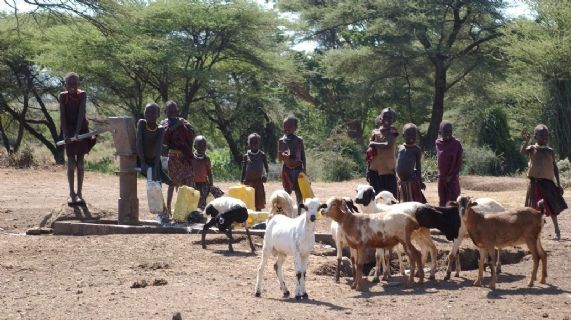
- Analyzing water samples from wells and cisterns for consumption and production.
- Monitoring water quality in 42 new wells and 100 rehabilitated ones.
Achievements
-
Vaccinations and Treatments (2015-2017)
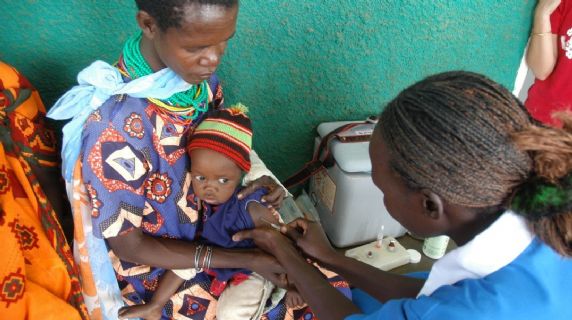
- Vaccinations of over 22,183 cattle against foot-and-mouth disease.
- Treatment of 19,170 livestock against various diseases.
- Training of 35 para-veterinarians and 88 students on animal health management techniques.
-
Water Analysis and Community Support
- Analyses conducted on 69 wells and 40 water collection structures.
- Collaboration with UNICEF for support in poultry farming.
-
Emergency Projects
- Response activities to emergencies caused by droughts and livestock diseases.
Timeline
- 2014: Training of para-veterinarians and vaccination of 161,241 cattle against LSD and CBPP.
- 2013: Strategy signed for the development of the veterinary laboratory with the Ministry of Agriculture.
- 2012-2010: Focus on animal health and disaster risk reduction, with significant vaccinations and analyses.
- 2009-2005: Structuring of the laboratory, agreements with NGOs, and implementation of livestock projects.
Beneficiaries
- Direct beneficiaries: over 200,000 people in the Karamoja region.
- Indirect beneficiaries: local communities and regional populations.
This project has had a significant impact on animal health and the quality of life for communities in Karamoja, contributing to sustainable management of livestock resources.


-37.jpg)

-e-in-nord-Pokot-(Kenia)-dpv-33.jpg)
-155.jpg)